

Blog
Are there any automatic car wash chains known for eco-friendly practices?

The consumer search for “eco-friendly car wash chains” is a powerful indicator of a growing market segment that prioritizes sustainability. For a car wash investor, operator, or B2B supplier, this trend is not a fleeting fad; it is a fundamental shift in consumer values that presents a significant business opportunity. The chains that have successfully branded themselves as “eco-friendly” have done so by transforming sound operational efficiencies into a compelling public narrative. They have recognized that the technologies that conserve resources are the very same technologies that reduce operating costs and build brand loyalty.
This B2B analysis will explore the operational and technological cornerstones that define an eco-friendly car wash chain. We will move beyond brand names to dissect the specific practices and systems these industry leaders employ. This guide will serve as a blueprint for any operator who wishes to build a genuinely sustainable and profitable car wash business. By understanding the “how” and “why” behind these practices, you can make strategic investments that not only appeal to the eco-conscious consumer but also create a more resilient and financially robust operation. AUTOSHER’s suite of water reclamation and energy-efficient systems are the foundational tools for any operator aspiring to be a leader in sustainable car care.
Section 1: The Cornerstone of Sustainability – Water Reclamation and Management
No car wash can credibly claim to be eco-friendly without a sophisticated water management strategy. This is the most significant environmental impact of the business and the area where leading chains have invested most heavily.
The Technology of Water Recycling
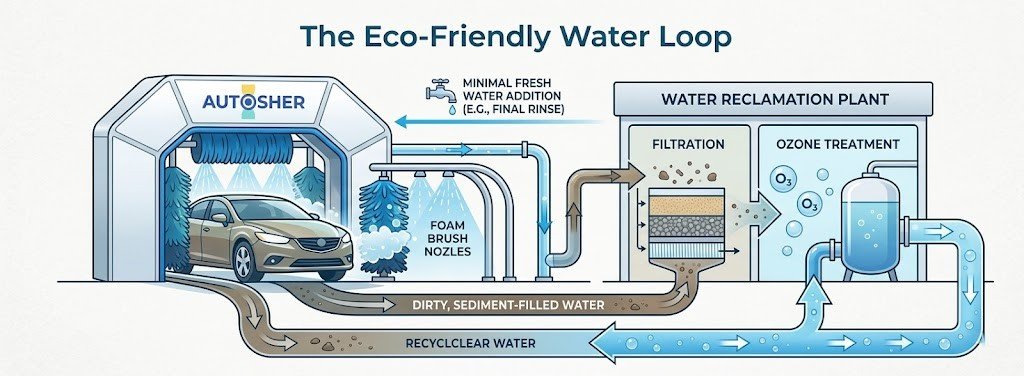
Industry-leading chains don’t just use water; they manage it as a precious, reusable asset. This is accomplished through advanced water reclamation systems. While specific brand names vary, the technology universally involves a multi-stage process:
- Solids Separation: Used wash water is directed to underground settling tanks where heavy sludge and solids can fall out of suspension.
- Advanced Filtration: The water is then pumped through systems like cyclonic separators, which use centrifugal force to remove finer, abrasive particles. This is critical for ensuring that recycled water is safe to use on a car’s finish.
- Water Treatment: To control odor and bacteria, the filtered water is treated, often using an ozone injection system, which is a powerful, chemical-free disinfectant that breaks down organic contaminants and reverts to simple oxygen.
Through this process, a top-tier eco-friendly wash can recycle and reuse 70% to 90% of its water, reducing the consumption of fresh, potable water from over 100 gallons per car to as little as 10-15 gallons.
The Business Case
Leading chains did not adopt this technology purely for altruistic reasons. Water reclamation has a powerful ROI. It drastically reduces utility bills (both for fresh water intake and sewer discharge), which are among the largest variable operating costs. It also provides a critical hedge against drought restrictions and rising water prices, ensuring business continuity in water-scarce regions.
Section 2: The Chemistry of Responsibility – Beyond the Shine
The second pillar of eco-friendly washing is the careful selection and management of cleaning agents. Leading chains have moved away from harsh, environmentally damaging chemicals.
The Shift to Green Chemistry
Eco-friendly chains partner with chemical suppliers to use formulas that are:
- Readily Biodegradable: The detergents are designed to be quickly broken down into harmless components by bacteria in water treatment facilities.
- Phosphate-Free: Phosphates are a major pollutant that can cause damaging algal blooms in waterways. Their elimination is a standard practice for any green wash.
- Acid-Free Where Possible: While some specialized cleaners (like for wheels) may use acids, the primary body soaps are typically pH-balanced or mildly alkaline to be gentle on both the car and the environment.
The Efficiency of Centralized Management
Large chains leverage their scale to enforce consistency. They often have a single, approved list of chemicals for all their locations. This ensures that every site adheres to the brand’s environmental standards. Furthermore, they mandate the use of precise, automated chemical dilution systems. This prevents wasteful overuse of concentrates, which not only saves money but also minimizes the chemical load sent to the sewer system and reduces the shipping footprint associated with chemical transport.
Section 3: Energy and Emissions – Reducing the Invisible Footprint
A modern car wash is an energy-intensive operation. Eco-friendly leaders focus on reducing their electricity consumption and overall carbon footprint through smart technology and design.
Energy-Efficient Equipment
The biggest energy hogs in a car wash are the large electric motors. Leading chains specify equipment that incorporates energy-saving technology:
- Variable Frequency Drives (VFDs): VFDs are installed on the motors for dryers, brushes, and conveyors. They allow the motors to modulate their speed and power consumption, using only the energy necessary for the task at hand, rather than running at 100% power all the time. This can reduce electricity consumption by 30% or more.
- LED Lighting: Every successful eco-friendly chain has retrofitted its locations with high-efficiency LED lighting. This applies to the tunnel, vacuum bays, and exterior site lighting. LEDs use a fraction of the energy of traditional lighting and have a much longer lifespan, reducing both energy use and waste.
Sustainable Site Design
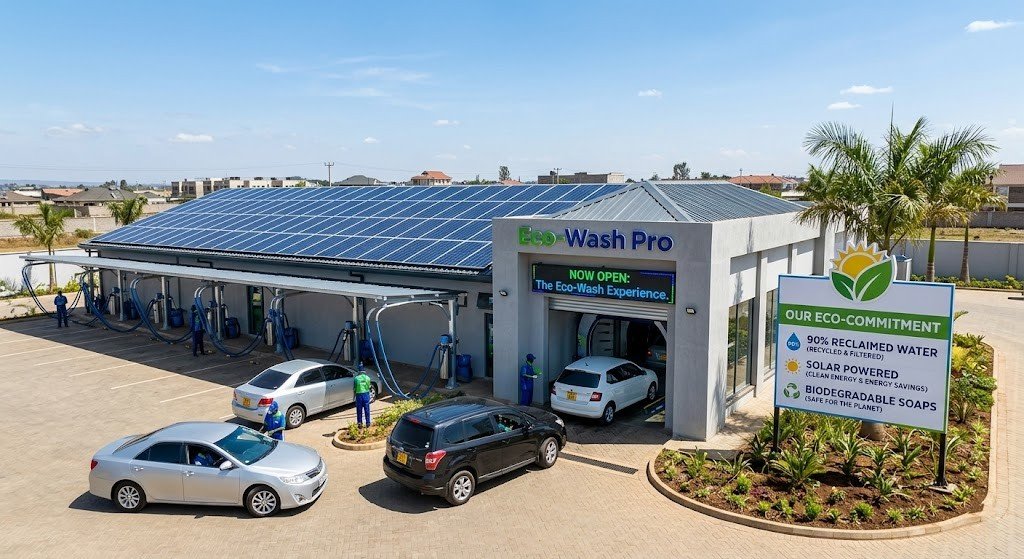
Newer locations built by these chains often incorporate sustainable design principles. This can include using recycled building materials, installing solar panels on their canopies to offset energy use, and designing sites to capture and filter stormwater runoff from the property itself.
Section 4: The Power of Marketing and Transparency
Having eco-friendly practices is only half the battle; communicating them effectively is what builds the brand. The chains known for being green are masters of marketing their sustainability.
Education as a Marketing Tool
These brands use their physical locations and digital platforms to educate customers. On-site signage explains their water reclamation process. Their websites have dedicated pages detailing their commitment to sustainability. This transparency builds trust and allows customers to feel good about their purchasing decision, turning an environmental feature into a key brand attribute.
Third-Party Certifications
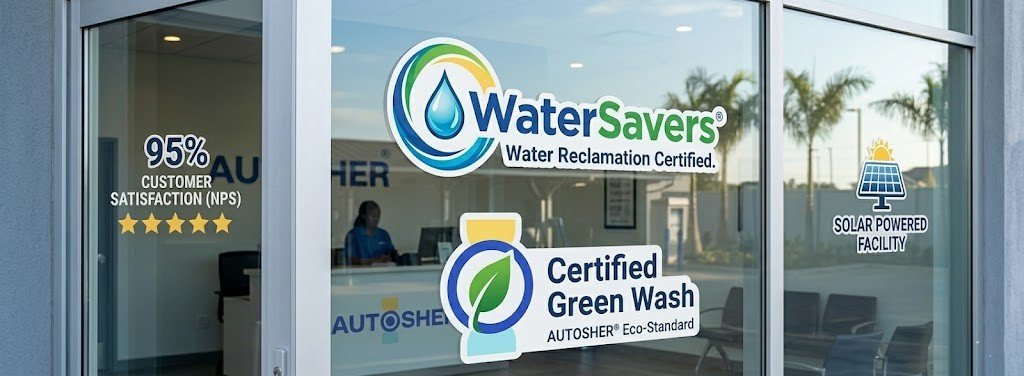
To add credibility to their claims, some chains seek out third-party certifications. This can include programs like the WaterSavers® designation from the International Carwash Association, which verifies that a location meets specific criteria for water conservation and responsible business practices. Displaying these certification logos provides independent validation of their eco-friendly claims.
Section 5: The Operator’s Blueprint – How to Become an Eco-Friendly Leader
While specific chains like Mister Car Wash, Zips, and others have publicly stated commitments to sustainability, the key takeaway for an independent operator is that these practices are not exclusive to large corporations. Any operator can adopt this model.
The Path to Sustainability
- Invest in Water Reclamation: This is the single most impactful step. The ROI is clear, and it is the price of entry for being considered truly eco-friendly.
- Specify Efficient Equipment: When building a new wash or upgrading an old one, make VFDs and LED lighting a mandatory part of the equipment package. An AUTOSHER system, for example, is engineered with this efficiency in mind.
- Partner with Your Chemical Supplier: Work with them to select a line of effective, biodegradable, and responsibly formulated chemicals.
- Tell Your Story: Create professional signage and website content that proudly explains your commitment to sustainability. Turn your operational efficiencies into your most powerful marketing message.
By following this blueprint, any operator can not only meet the growing consumer demand for eco-friendly services but also build a more profitable, resilient, and respected business in their community.